
Is the Schroth Method Right for You? What to Know Before Starting
Medically reviewed by: Julianne M. Reinstein, Physical Therapist/Co-Founder
Whether scoliosis was discovered during a routine checkup or after changes in posture or movement were noticed, the next step is often learning what the different treatment options mean. One of the approaches you may come across is the Schroth Method.
The Schroth Method is a type of physical therapy designed specifically for scoliosis. The approach is tailored to the shape of the spinal curve and helps patients build a clearer understanding of how scoliosis affects movement in everyday life. Learning how it works can make it easier to decide whether it belongs in the next stage of care.
Quick Answer
Schroth therapy may be worth exploring after a scoliosis diagnosis when someone wants more specific guidance than a general back exercise program can provide. The method can be adapted for children, teens, and adults, with goals based on the person’s stage of life, curve pattern, symptoms, medical care, and daily needs.
What Is Scoliosis?
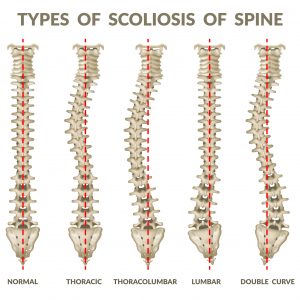
Scoliosis is a sideways curve of the spine that may also include rotation. Curves can develop in different areas of the spine and may look different from one person to another. Some people have one main curve, while others have two.
The curve pattern is one reason scoliosis care is individualized. An X-ray and clinical evaluation help providers understand the location, direction, and size of the curve. Those details can guide decisions about monitoring, bracing, physical therapy, or other care.
Why Schroth Feels Different From General Exercise
Most exercise programs focus on building strength, improving flexibility, or staying active. Those goals can still matter with scoliosis, but Schroth begins by looking more closely at the individual curve.
A therapist may consider how the spine, ribs, shoulders, and pelvis work together, along with balance and movement control. From there, the program is adjusted to match the person rather than asking the person to fit a standard routine.
This is why two people with scoliosis may receive very different instructions. A small change in rib, shoulder, or pelvic position can change the purpose of an exercise, so one-on-one guidance helps connect each movement to the person’s individual curve.
Schroth can work alongside X-rays, bracing, orthopedic follow-up, or surgery when those are part of the person’s care plan.
Where You Are Now Can Shape the Next Step
People find Schroth at different points in their scoliosis journey. Some families begin searching right after an X-ray. Others hear about it when a brace is recommended. Adults may look into it after noticing more stiffness, fatigue, or discomfort during work, exercise, or daily routines.
| Where you are now | What may be helpful to discuss |
| You or your child was recently diagnosed | Understand the diagnosis and learn what conservative options may be available. |
| An orthopedic provider suggested physical therapy | Ask whether curve-specific exercise fits the current monitoring plan. |
| A brace has been recommended | Learn how movement and breathing may fit alongside the medical bracing plan. |
| You are an adult noticing more stiffness or fatigue | Explore whether scoliosis-specific therapy could support comfort, strength, breathing, and activity. |
Some people begin Schroth therapy because scoliosis is affecting comfort or activity, while others want guidance as the curve is monitored or daily demands change.
The Same Method Can Support Different Goals
A teenager who is still growing and an adult who has lived with scoliosis for years may both participate in Schroth therapy, but their plans may not look the same.
For Children and Teens
For a child or teen, therapy may focus on posture awareness, movement habits, and learning how the program fits alongside medical monitoring. When a brace is part of the plan, the therapist may also help the patient move more comfortably and confidently within that experience.
For Adults
For an adult, the focus may shift toward posture endurance, strength, comfort, and activities that have become tiring or difficult. Care can be shaped around current needs, routines, and goals at any stage of adulthood.

Your First Appointment Is About Understanding the Full Picture
The first visit is a full evaluation built around the patient’s life, goals, diagnosis, and current medical care. It gives the therapist a clear picture of what is happening now and what the patient hopes to improve.
The discussion may include sports, school, work, sleep, pain, fatigue, and any movements that feel awkward or difficult. Imaging reports can help show the curve pattern, while the conversation explains how scoliosis is affecting real life.
The therapist may then look at standing posture, trunk rotation, shoulder and pelvic position, strength, flexibility, and simple movements. Patients often begin to notice connections they had not considered before, such as why standing feels tiring or why certain activities feel uneven
By the end of the visit, the patient should have a clearer sense of whether Schroth is appropriate, what the first goals may be, and whether more medical information is needed.
What to Bring to Your Appointment
You do not need to arrive with every answer. Images from your most recent spinal X-rays will be needed to accurately determine your scoliosis curve type. Notes from an orthopedic provider and information about a current or recommended brace can also be helpful.
It can also help to think about the moments when scoliosis feels most noticeable. That might be sitting through class, standing at work, playing a sport, sleeping, carrying a backpack, or trying to exercise comfortably. Comfortable clothing makes it easier for the therapist to observe posture and movement.
What Progress Can Look Like Over Time
Schroth therapy does not follow one fixed timeline because every person is learning a different movement pattern. Some people attend regular outpatient visits. Others may be better suited to a more concentrated program.
Early visits often focus on learning the setup, understanding the breathing cues, and feeling why a small change in position matters. As those steps become more familiar, the patient may need less hands-on guidance and more time practicing how the movements fit into daily life.
Progress is not measured only by appearance or changes on an X-ray. It may also show up as better body awareness, improved strength or endurance, greater comfort during school or work, and more confidence with activity.
Home Practice Should Fit Real Life
Schroth is a learning-based approach, so practice between appointments is often part of the plan. That does not mean every patient receives a long daily routine.
A program may begin with only a few carefully taught exercises. The therapist can adjust the plan as the patient becomes more comfortable with the positions and breathing cues.
For families, the goal is not to make home life feel like a clinic. It is to build a routine that is clear, realistic, and useful enough to become part of the week.
How Schroth Fits With Bracing and Medical Care
Schroth therapy may be used with a brace when a physician has recommended one. The therapist can help the patient understand how the exercise program fits around the bracing plan.
Physical therapy does not decide whether a brace is needed or how long it should be worn. Those decisions remain with the medical provider managing the scoliosis.
The same is true for imaging and surgery decisions. Schroth may support conservative scoliosis care, but it should not replace orthopedic monitoring or other recommended treatment.

Setting Realistic Expectations From the Start
The goals of Schroth therapy are different for every patient. Changes in the curve, posture, comfort, strength, or function depend on factors such as growth, curve size, curve pattern, consistency, and the person’s overall medical plan.
Research supports scoliosis-specific exercise as one part of conservative care. A more helpful way to think about Schroth is as a tool for helping someone understand how their body moves with scoliosis and how to take a more active role in that care.
When Another Evaluation May Come First
Someone with undiagnosed back pain, a new posture change, or symptoms that are changing quickly may need a medical evaluation before starting a specialized scoliosis program.
Medical guidance is also important when there is new weakness, numbness, a change in balance, a surgical recommendation, or a need for updated imaging. A physical therapist can explain what information may be helpful, but diagnosis and imaging decisions remain with the appropriate medical provider.
Frequently Asked Questions
Do I need an X-ray before starting Schroth therapy?
Yes. Images from your most recent spinal X-rays are needed before starting Schroth therapy. The therapist uses these images to determine your scoliosis curve type and look for congenital or spinal instability concerns that may affect your treatment plan.
Is Schroth only for severe scoliosis?
No. Schroth therapy may be appropriate for people with different curve sizes. Being proactive with smaller curves can help manage scoliosis and may help reduce the risk of curve progression. Treatment goals are based on the individual, not the curve size alone.
Can adults start years after diagnosis?
Yes. Adults may still consider an evaluation when scoliosis affects comfort, movement, breathing, endurance, or activity.
Can a child continue sports?
Many children and teens continue sports during scoliosis care. Activity guidance should reflect the diagnosis, symptoms, brace plan, and medical advice.
How soon should someone start?
There is no single deadline. Many people begin exploring scoliosis-specific physical therapy after diagnosis or when a provider recommends conservative care or bracing.
Finding a Schroth Provider
Schroth care at Advanced Care Physical Therapy is provided by Julianne M. Reinstein, Physical Therapist and Co-Founder. Each plan is shaped around the patient’s curve, goals, and daily life.
Her background includes training in the Schroth Method and SEAS, two approaches used in scoliosis-specific physical therapy.
This type of care requires training beyond general physical therapy, including how to assess scoliosis patterns and adapt treatment to the individual curve. Because that training is not available at every clinic, people often search specifically for a Schroth provider. Having this care available through Advanced Care Physical Therapy gives families and adults in Western New York a local place to learn more about their options and begin that conversation.
For people who prefer to learn the method through several longer visits scheduled close together, the Schroth Immersion Program offers another format to discuss during the evaluation.

Specialized Schroth Physical Therapy at ACPT
Specialized Schroth physical therapy starts with understanding the person behind the curve. An evaluation can connect the diagnosis to everyday concerns, clarify meaningful goals, and help determine whether this approach fits the next step for you or your child.
Advanced Care Physical Therapy offers Schroth Method care for patients across Western New York. Call 716-282-2888 or contact us online to ask about an evaluation.
*This article is for general education only and does not provide medical advice, diagnosis, or an individualized treatment plan. Scoliosis care should be guided by qualified healthcare professionals who can review age, symptoms, imaging, growth status, medical history, and personal goals.


